The Nutcracker Cultural Audit
Background
After joining organizations to release an anti-racism statement on June 3, 2020, NPB has followed through on its commitment
- Board, Dancers, and Staff deepened its equity and inclusion education by taking YWCA 21-day Anti-Racism challenge together in 2020
- North Pointe Ballet signed the Final Bow for Yellow Face Petition on June 5, 2020 and began work on eliminating cultural appropriation on Nutcracker
- Executive Artistic Director, Janet Dziak, engaged in more in-depth training with the Cultural Equity Learning Community’s 16 week course with other arts leaders in Ohio and across the country, meeting regularly with peer group from Lorain county to hold accountability to actionable change, in addition to OhioDance board member 3-session workshop on Building and Anti-Racism Dance Community with Dr. Nyama McCarthy-Brown
Realizing that The Nutcracker is NPB’s largest program that reaches the most members of its community, the organization wanted to make sure that program accurately reflected its values of equity and inclusion.
Receiving the equity education and reflection led to the determination that a third party was needed to assist in a formal audit of performance and process. NPB is a largely white organization with a white perspective. NPB felt that hiring a consultant who was an artist of color to provide guidance and alternate perspectives in the process was important.
Audit Results
Phase 1
Years 1 and 2
Act I
After reflecting on the audit results, the creative team based updates around the theme “All are welcome to the party.” Focusing on minor changes that would have a big impact, most of the differences might be subtle to observers, but create a foundation to build upon diversity and inclusion in subsequent productions.
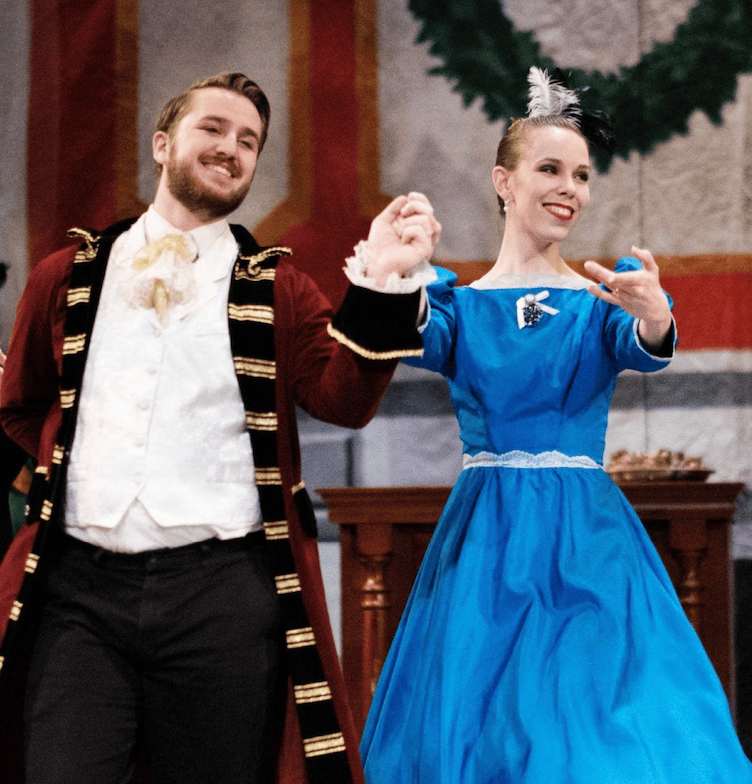
All are invited to the party
Everyone should be able to see themselves as welcome in the opening scene of “The Nutcracker”
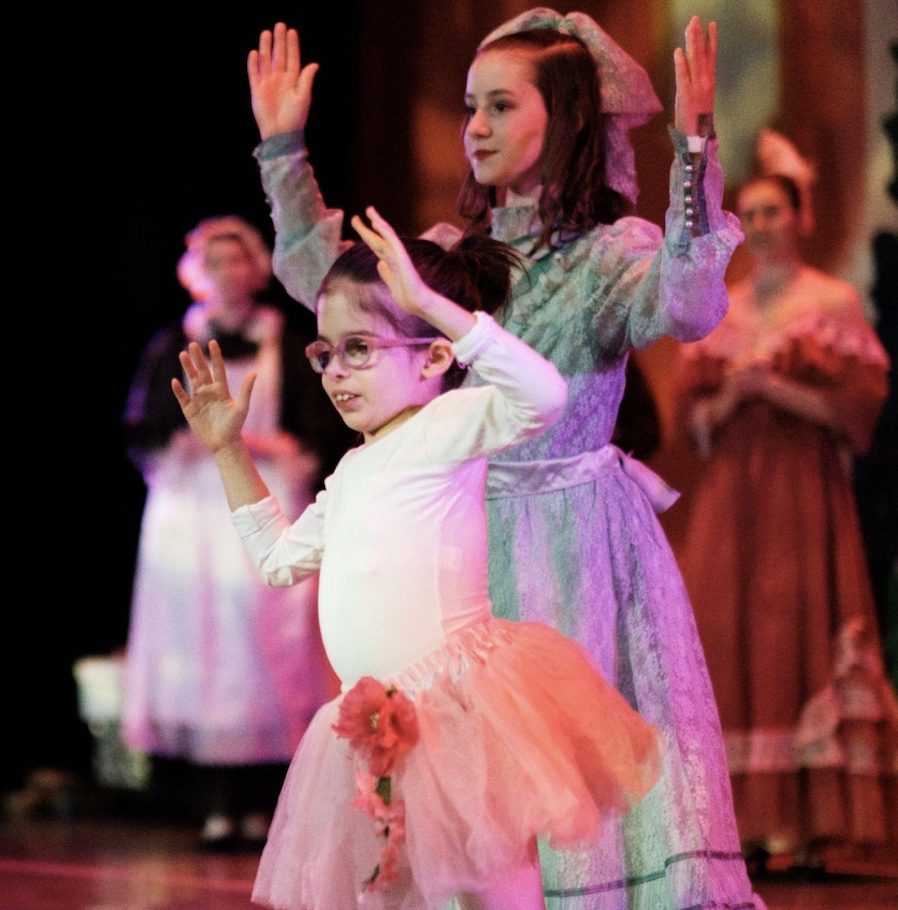
Casting
Choosing to open up acting roles in Overture and in Party Scene that do not require formal ballet training allows for greater space for artists of color and different abilities. Performers in Party Scene should reflect the community not just in color, but in age, body type, orientation, and physical ability.
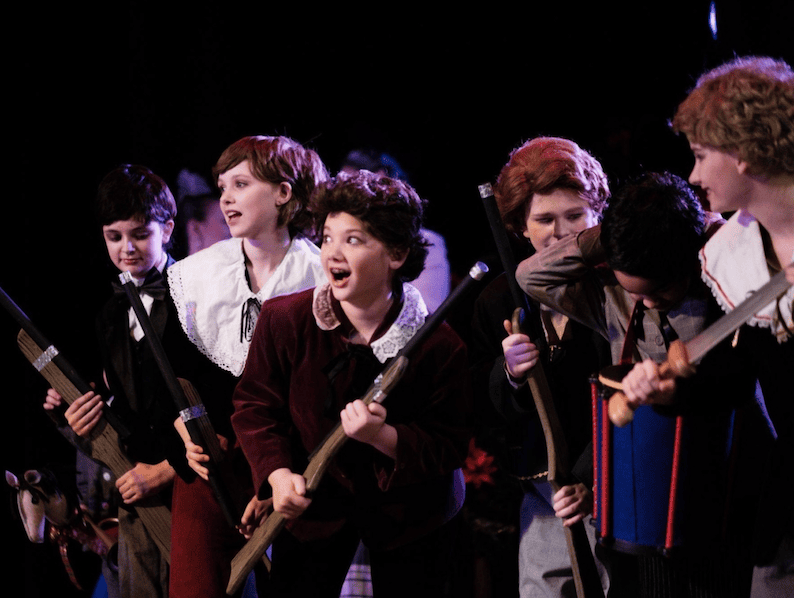
Address Gender Biases
Not all boys are rule-breakers that play with guns, not all girls are rule-followers that play with dolls. Changes to choreography, props, family groups, and allowing dancers to dress as the gender in which they identify will address unspoken biases while maintaining the tradition of Clara’s story.
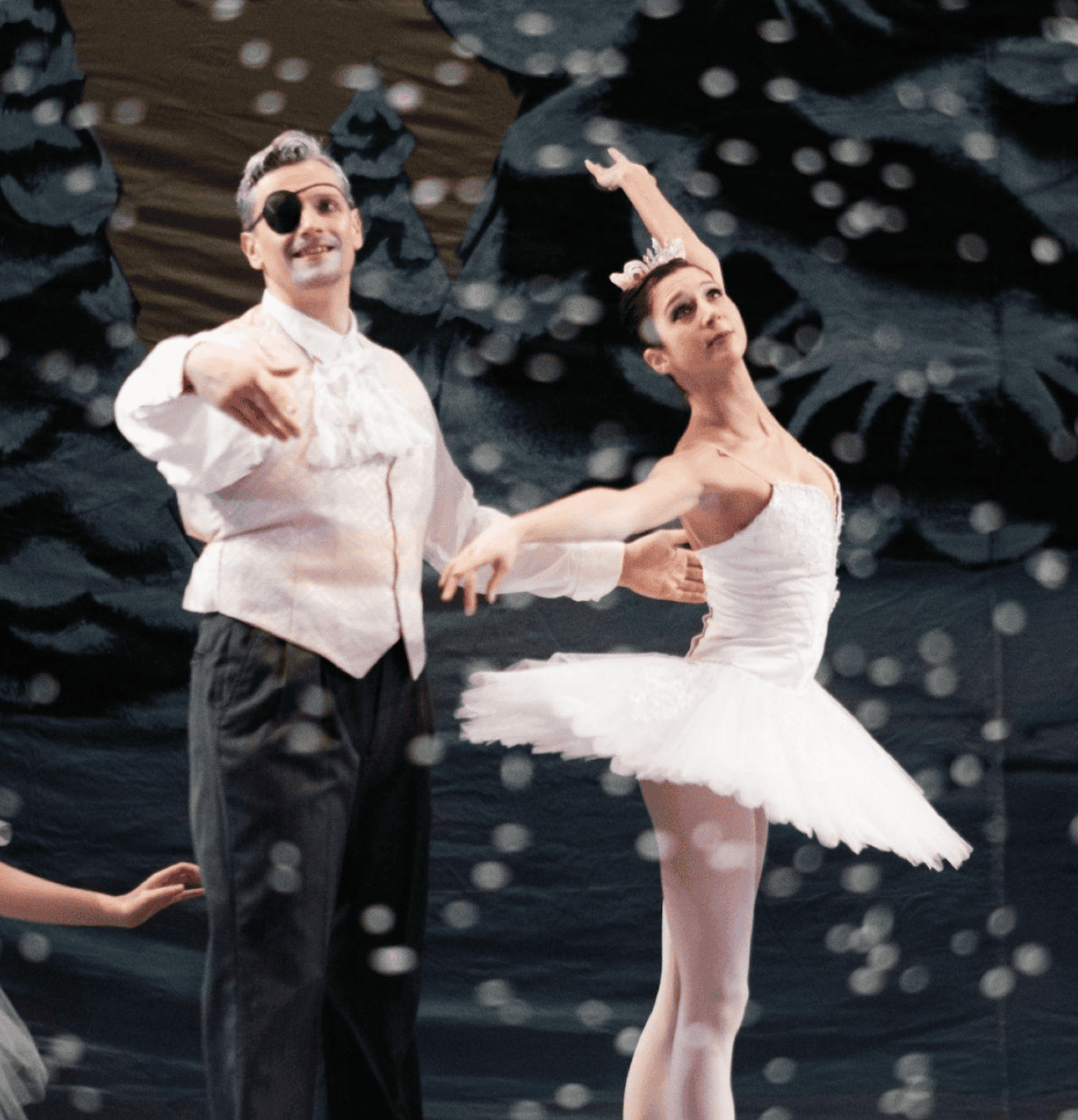
Reflect on relationships
Original choreography that is set on a particular cast often remains intact even as cast changes through the years in annual recurring productions such as “The Nutcracker.” At the ages and characterizations of characters such as Clara and Drosselmeyer evolve, the relationship between the two characters should also evolve to represent highest level of integrity.
Phase 2
Years 2–4
Increasing Diversity in Corps de Ballet and Principal Roles
- Being intentional about cast diversity
- Continue to engage mission program participants in mainstage productions
- Require patience as we figure out best practices
- Strategic plan, board involvement
- Evaluate hiring practices, marketing, leadership
- Continue to develop partnerships
- Evaluate programming
- Community input
Phase 3
Year 5
- Regular check-ins with consultant
- Another audit
Consultant
Alexandria Lattimore
Artist, Academic, Social Worker, and Consultant
Lexy Lattimore is an artist, academic, social worker, and consultant. She is a Mandel Leadership Fellow at Case Western Reserve University where she studies and researches trauma-informed, healing-centered community building through the arts. Lexy’s research has focused on community trauma and resilience, the intersections of city planning, neighborhood engagement, and “choreographing space”, and racial equity and inclusion. Her research influences her work in Cleveland’s historic Hough and Glenville neighborhoods where she’s had the pleasure of consulting with organizations including, the Community Innovation Network, MidTown Cleveland, LAND Studio, Third Space Action Lab, The Cleveland Foundation, The City of Cleveland, and Neighborhood Connections.
In addition to her community practice, Lexy has had an extensive career as a dancer, performer, and storyteller. She has performed with two contemporary ballet companies and has traveled to Cuba, Spain, Italy, and Australia, sharing her love for dance with the world. She has produced her own work in NYC, Boston, Durham, and Cleveland. Lexy graduated cum laude from Duke University with a Bachelor’s in History and honors in Dance. She is the recipient of the Cleveland Arts Prize Verge Fellowship.